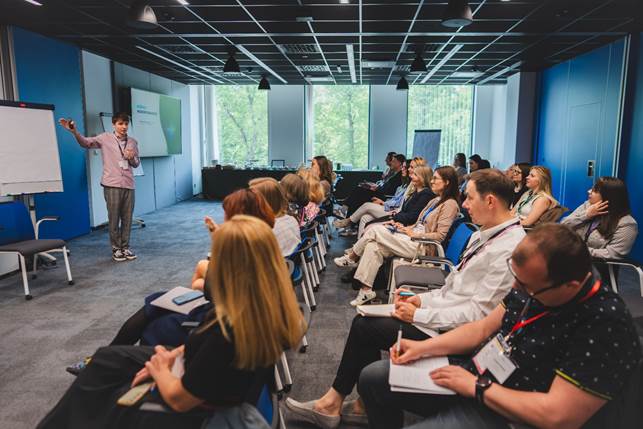


In May 2026, Krakow witnessed an impactful shift in how businesses approach neurodiversity in the workplace. Hosted by Diversity Hub as part of the EU-funded WIN (Workplace Inclusion: Neurodiversity) project, two interconnected multiplier events brought together 40 key stakeholders—including HR leaders, DEI officers, NGO representatives, and neurodivergent professionals—to turn inclusive theory into everyday business reality.
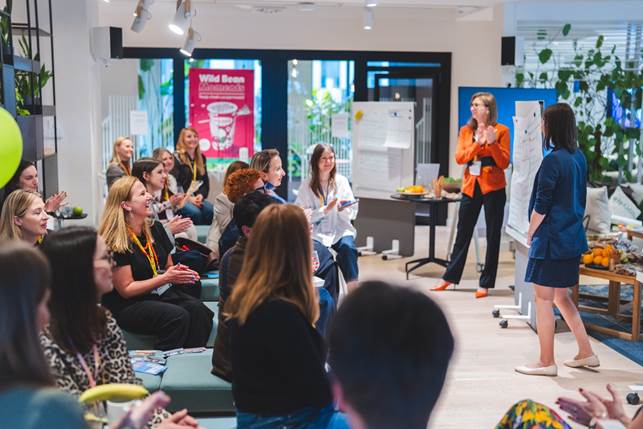
Held at the premises of corporate partners Akamai Technologies (May 11) and BP Polska (May 18), these sessions moved away from traditional passive lectures. Instead, they created a co-creation space where employers and neuroatypical individuals sat at the same table to dismantle systemic workplace barriers.
Bridging the Gap: From Accommodations to Universal Design
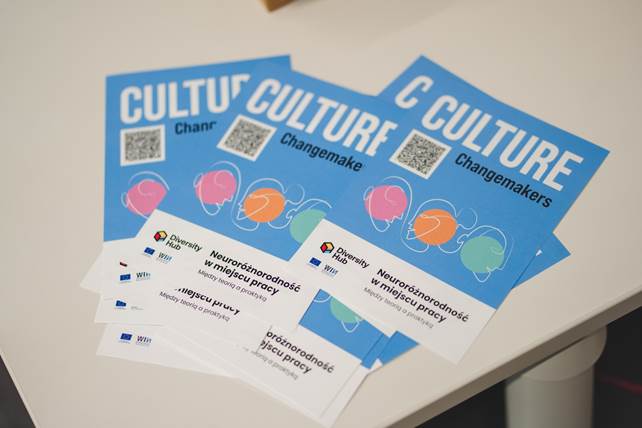
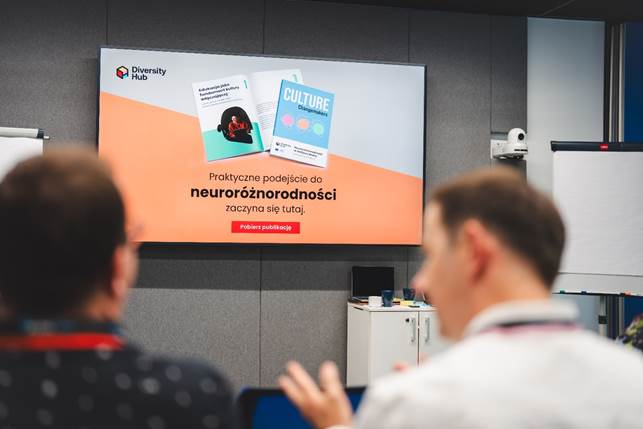
The first meeting at Akamai set the stage by introducing a fundamental shift from medical to social models of neurodiversity. Driven by personal stories—such as authentic lived experiences with ADHD—participants explored how sensory overload in open-plan offices or rigid recruitment methods limit talent. Alongside the launch of the whitepaper “Culture Changemakers: Neurodiversity at Work” and the WIN employer guidelines, HR experts worked hand-in-hand with neurodivergent attendees to design immediate “quick wins” and long-term integration strategies.
The second gathering at BP Polska expanded this vision through the framework of Universal Design. Rather than focusing solely on individual, case-by-case adjustments, the discussion centered on creating processes and environments that naturally support everyone from the outset. HR managers and DEI officers openly discussed budget constraints, structural limits, and compliance needs. In response, cross-functional teams co-created scalable blueprints that transform neuroinclusion from a perceived compliance burden into a genuine strategic advantage for innovation.
A Proven Success Story
The participant response was overwhelmingly positive, achieving super high satisfaction rate across both events. HR leaders noted that having structured, ready-to-use guidelines significantly lowers the threshold for organizations to implement real cultural change. For neurodivergent professionals, the true success lay in being active co-designers of these solutions rather than passive beneficiaries.
By bringing employers and neurodivergent talent together, Diversity Hub and the WIN project proved that true workplace inclusion isn’t just an ideal—it’s a practical, highly achievable standard for modern business.
***
Photos: