

Across Europe, organizations increasingly recognize the value of neurodiversity—yet many employers, educators, and support professionals still ask the same practical question: how do we actually make inclusion work on a daily basis? The WIN (Workplace Inclusion: Neurodiversity) project sets out to bridge the gap between good intentions and everyday workplace reality.
Rather than expecting neurodivergent individuals to adapt to rigid environments, our consortium designed, tested, and validated a complete ecosystem of free, practical tools connecting adult education, employer onboarding, and individualized mentoring.
Three Pillars of Practical Change
Grounded in Universal Design for Learning (UDL) and the ethical principle „Nothing about them without them,” the WIN toolkit translates inclusive theory into concrete routines across three interconnected areas:
- Empowering Adult Educators: The Neurodiversity Training Program for Adult Educators (Train-the-Trainer handbook and 13 ready-to-use worksheets) equips trainers and facilitators to design sensory-friendly spaces, deliver clear dual-format instructions, and build psychological safety without relying on medical labels.
- Guiding Employers Across the Employee Lifecycle: Hosted on the WIN website, the interactive Step-by-Step Induction Plan for Employers removes entry barriers from day one—helping HR teams and managers simplify job advertisements, structure predictable onboarding, and replace unwritten social rules with transparent, written expectations.
- Supporting Transitions Through Mentoring: The WIN Mentoring Framework embeds non-judgmental, one-on-one support into employment pathways, helping neurodivergent job seekers and employees build self-advocacy, manage sensory stress, and negotiate practical adjustments with confidence.
Tested in Practice, Proven in the Field
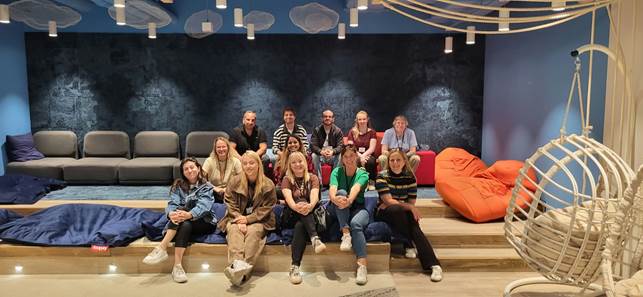
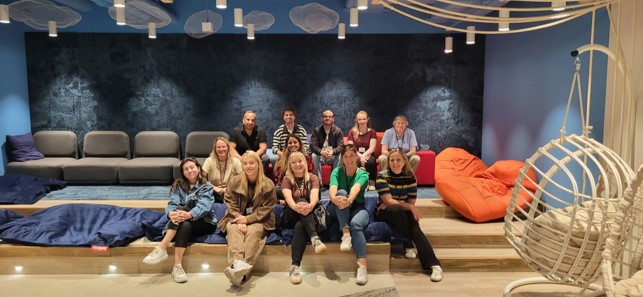
To ensure these solutions worked beyond theory, 12 adult educators from all six partner countries gathered in Ljubljana, Slovenia, in November 2025 for an intensive international pilot training. Returning to their home organizations, these educators applied the WIN methodologies directly in local mentoring pathways—supporting neurodivergent individuals in enhancing their employability, self-awareness, and workplace confidence.
Their experiences—captured in a series of educator case studies alongside the Neurodiversity Report & Practical Guide for Workplace Inclusion—confirm a powerful takeaway: workplace inclusion does not require massive budgets or complicated procedures. Small, intentional adjustments—such as sharing interview questions in advance, offering written task summaries, or creating quiet workspaces—unlock the potential of neurodivergent talent while making workplaces calmer and clearer for everyone.